



Choose the dates
and travelers
Edit
Close
Hotels around Musée du Louvre
Visit Paris and the Louvre easily from your hotel
Staying just a stone’s throw from the world’s greatest museum completely transforms the Parisian experience. From saving precious time to total immersion in the soul of the French capital, the advantages are numerous. The Louvre district is much more than just a central location – it’s the ideal starting point for exploring Paris. ASTOTEL hotels offer easy access to this Paris landmark from a district close to the historic heart of the city.
It’s impossible to discover the entire museum in a single visit – even the most passionate art lover would be exhausted trying. And that’s precisely where the first major advantage of nearby accommodation lies.
-
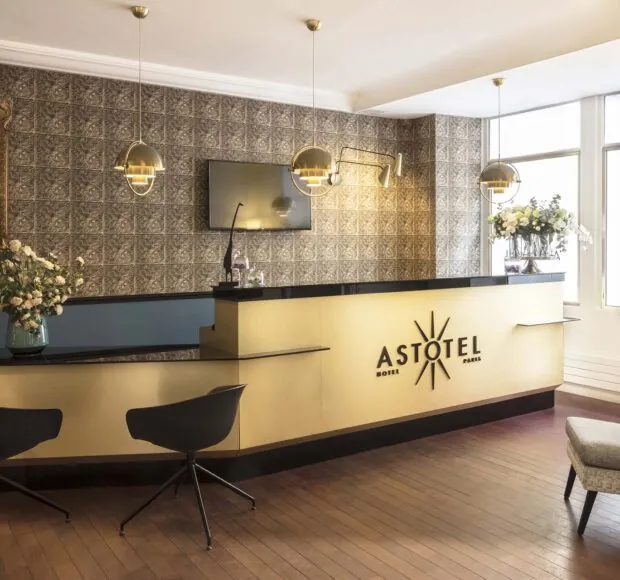
Reception at the Malte Hotel Hotel Malte
4 starsRanked 2 of 1982 hotels in Paris (source: TripAdvisor on 16/03/26)63 rue de Richelieu, 75002 Paris- Close from Metro 1, Metro 3, Metro 7, Metro 8, Metro 9, Metro 14, RER A, RER B, RER D, RER E
-
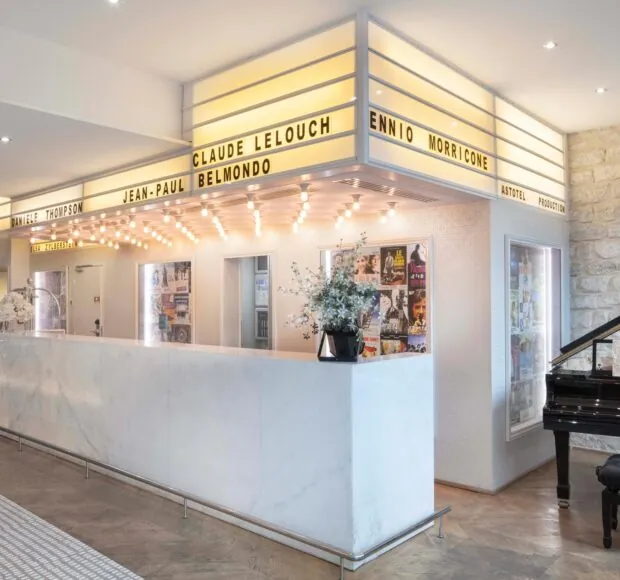
Le 123 Sebastopol Hotel - Receptio Hotel Le 123 Sébastopol
4 starsRanked 10 of 1982 hotels in Paris (source: TripAdvisor on 16/03/26)123, boulevard de Sébastopol, 75002 Paris- Close from Metro 3, Metro 4, Metro 8, Metro 9, Metro 11, RER A, RER B, RER D
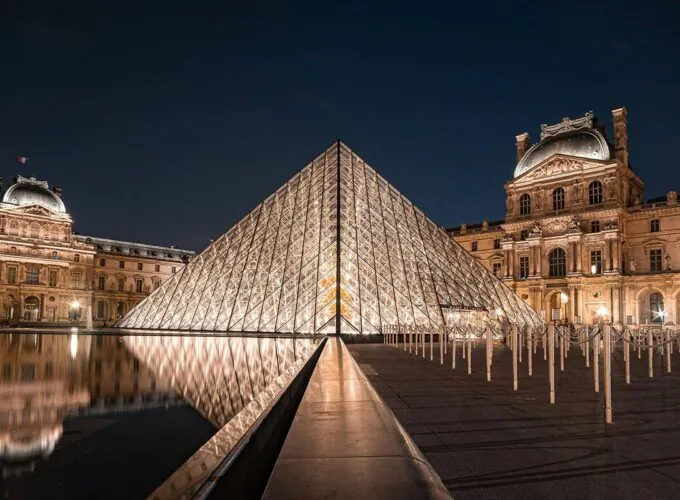
Musée du Louvre
75001 Paris8 Rue Sainte-Anne, 75001 Paris
- Close from Metro 1, Metro 7, Metro 14
With 35,000 works of art on display in over 60,000 m², the Louvre is a landmark of world culture. Its collections span the history of mankind from Antiquity to the mid-19th century. The Mona Lisa, the Venus de Milo and the Victory of Samothrace are just some of the major works that attract millions of visitors every year.
A former royal palace transformed into a museum during the French Revolution, the Louvre embodies the very essence of Paris. Its glass pyramid, added in 1989 by architect Ieoh Ming Pei, perfectly symbolizes the alliance between historical heritage and modernity that characterizes the French capital.
Nearby Musée du Louvre
Paris highlights
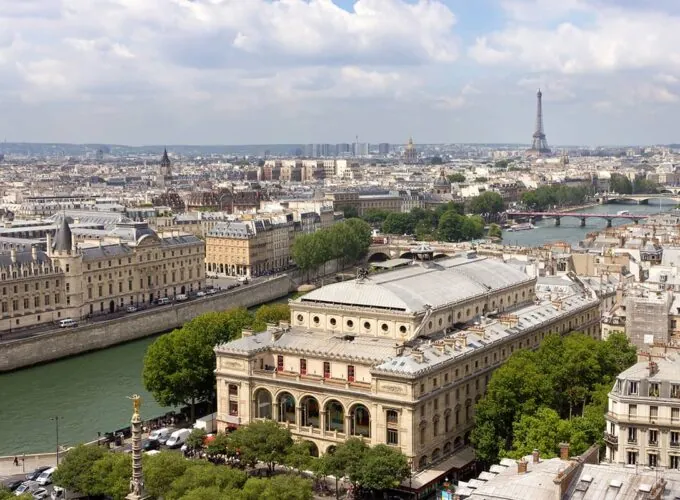
Discover the wonders of Paris just a short walk from your hotel. Iconic museums, historic landmarks, romantic strolls and breathtaking viewpoints — let yourself be charmed by an authentic cultural experience in the heart of the city.
Split tours for an in-depth experience
Staying near the Louvre allows you to take a radically different approach to your visit. Rather than racing through the galleries to see everything in a few hours, you can spread your exploration over several days:
- Day 1: Department of Egyptian Antiquities
- Day 2: Italian paintings and the Mona Lisa
- Day 3: enjoy the nocturnes (until 9.45pm on Wednesdays and Fridays)
This flexibility transforms your relationship with the museum. You can concentrate on the sections that really interest you, come back to see your favorite works, or simply allow yourself a short one-hour visit between two activities.
Avoid crowds and make the most of your time
The proximity of the museum offers a considerable strategic advantage: you can easily adjust your visiting times to avoid the crowds. Arriving at opening time (9 a.m.) or at the end of the day allows you to appreciate the works in much more pleasant conditions.
In the event of a transport strike, an occasional phenomenon in Paris, you needn’t worry – it’s only a few minutes’ walk to your hotel. Similarly, if you get tired or something unexpected happens, you can easily take a break and return to your room to rest.
This proximity is particularly appreciated by:
- Families with children, who can adapt the pace of their visit
- Seniors, who prefer to split their visits to limit fatigue
- People with reduced mobility, who benefit from a short, simplified journey
- Business travelers with limited time between appointments
An ideally connected central district
When you choose accommodation near the Louvre, you also benefit from a strategic location in the heart of Paris. Within a 15-minute walk, you’ll have access to:
- Tuileries Garden and Place de la Concorde
- The Musée d’Orsay on the other side of the Seine
- The Palais Royal and its peaceful gardens
- The banks of the Seine for romantic strolls
- The lively Halles and Marais districts
- The Opéra Garnier and the Grand Boulevards
This central location means you can easily explore the whole city. The district is served by several metro lines (1, 7, 14) and numerous buses, and is within easy reach of the main Paris train stations.
Authentic, lively neighborhood life
Contrary to popular belief, the Louvre district is not just for tourists. It offers a rich local life with:
- Historic cafés such as Le Fumoir and Café Marly
- Gastronomic restaurants and traditional bistros
- Contemporary art galleries in the Saint-Honoré district
- Designer boutiques and big-name brands
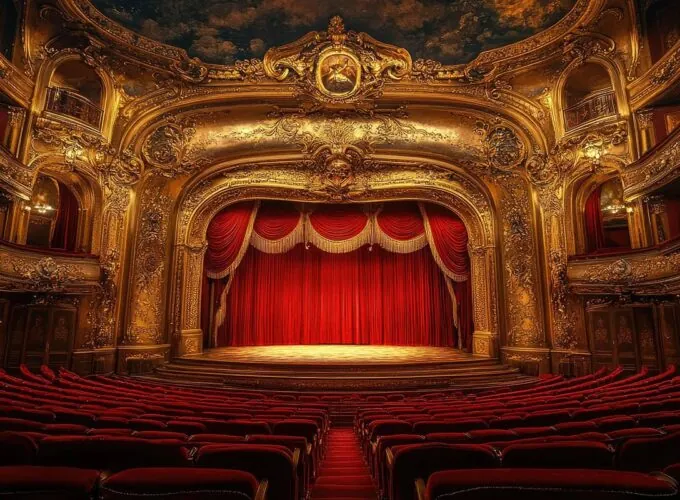
- Theaters such as the Comédie-Française
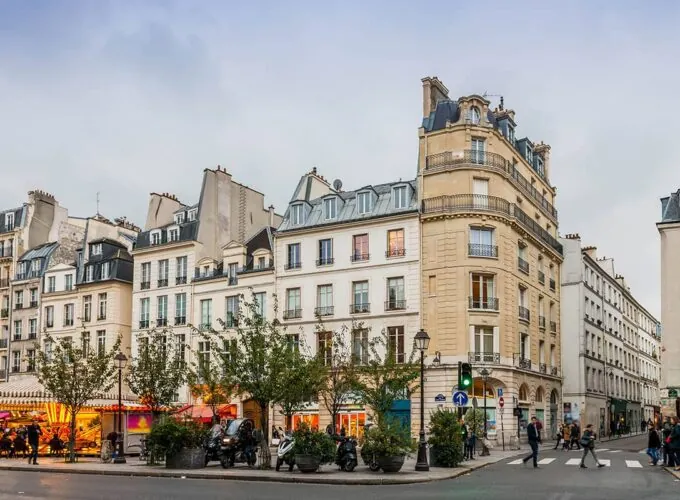
The streets adjacent to the museum reveal covered passages, hidden squares and historic facades that tell the story of Paris. You’ll live at the pace of Parisians, between elegance and urban bustle.
Optimum accessibility for all passengers
The Louvre district is particularly well suited to people with reduced mobility or special needs. New or renovated hotels often offer:
- Wheelchair-accessible rooms
- elevators to access all floors
- Staff trained to meet special needs
The museum itself offers adapted services: priority entry, wheelchair loans, special tours. The proximity of the accommodation considerably reduces travel fatigue, a crucial factor for people with mobility difficulties.
Practical tips for booking your accommodation
To make the most of the advantages of a hotel near the Louvre, here are a few recommendations:
- Book several months in advance, especially for the high season (April-October) or during major temporary exhibitions
- Check the exact location – hotels in the 1st and 2nd arrondissements or on the Left Bank, in the immediate vicinity of the Pont des Arts, are preferable
- Compare the services included: breakfast, Wi-Fi, air conditioning (essential in summer)
- Check cancellation policy, particularly important in uncertain times
- Find out about the Louvre’s opening hours (closed on Tuesdays) and temporary exhibitions during your stay
Don’t hesitate to contact the hotel directly to ask for advice on how best to organize your visit to the museum – staff at local establishments are usually very knowledgeable.